The Partnachklamm, explained
I have walked this gorge in July with thirty people queuing at the hut behind me, and in February with ice hanging off the roof of the tunnels. The thing visitors are most often surprised by is the same in both months: the walkway is not a path. Somebody cut it, and somebody keeps cutting it.
What a klamm actually is
A Klamm is a gorge that is deeper than it is wide — narrow enough at the top that the two walls nearly close over your head, and dark at the bottom on a bright day. The Partnach comes off the Schneeferner, the glacier on the Zugspitze massif, and over about 702 metres it has sawn down through muschelkalk limestone laid down some 240 million years ago. At the deepest point the walls stand more than 80 metres above the water. Nothing exotic is doing the work: the river carries grit, the grit grinds, and the cut goes down faster than it goes outward. That is why you look up at a slot of daylight instead of across a valley.
The path is a piece of building work
The gorge has been a natural monument, and open to visitors, since 1912, and almost every metre you walk on was put there by people. Galleries are hacked into the rock face. Tunnels go straight through the spurs the river bends around. Railings are bolted into limestone that is wet more or less permanently. In places you walk with the rock a hand’s width from your shoulder and the water directly below the grating. The gorge supplied a good deal of the gloom in Nosferatu the Vampyre in 1979, and the film crew did not have to build much.
This is also the part that explains the money. The about ten euros you hand over at the hut is not a fee for looking at a river. It is what keeps a built structure inside a live rockfall zone open, inspected and lit — and it is why the operator can close the gorge at an hour’s notice, and sometimes does.
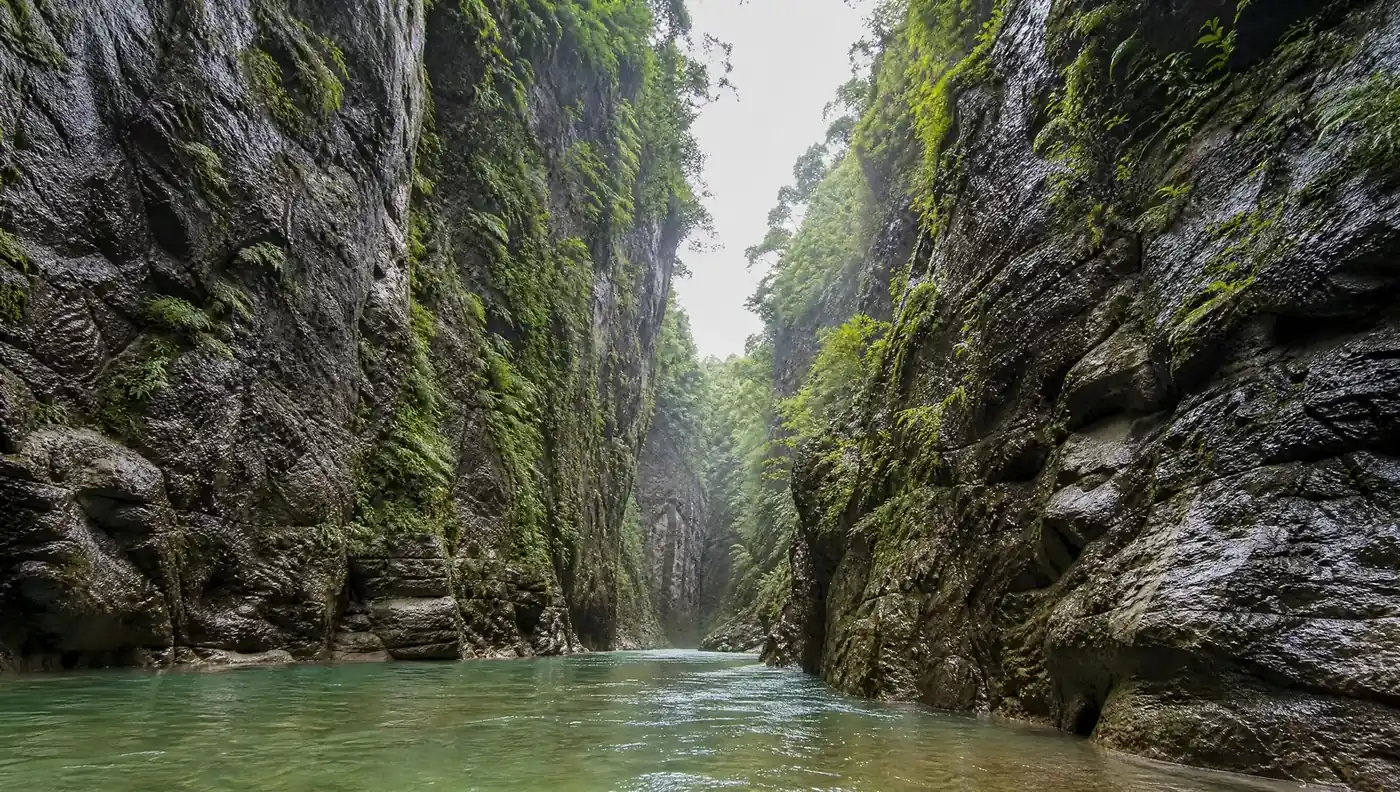
1 June 1991, and the 108 metres that replaced the old line
On 1 June 1991 a rockfall came down into the gorge. From 1992 a gallery of 108 metres was blasted through the rock to carry the route past the debris, and that stretch is one most people photograph without knowing what they are looking at. I point it out on every walk, because it is the plainest thing here: the mountain edits the route, and the route gets rebuilt around the edit. The longer version of how this place was made walkable is on the history page.
What a guided day adds to a self-guided gorge at about ten euros
Here is something worth knowing before you get to the hut. Of the sixteen tours in the catalogue on this site, eight come to the gorge. Of those eight, only two put the gate fee in the price. Four exclude it in writing, One says the ticket is covered “if available”, and one says nothing either way. There is no GetYourGuide product named after this gorge any more, either: the one that was has been delisted, and what is sold now is Alpine day trips that stop here.
What a day trip buys you is the journey from Munich and back, about an hour and a half each way, somebody else driving, and a guide who knows which side of the walkway stays dry in rain. There is no queue to skip at the gorge. Note that on most of these tours you still pay about ten euros at the hut. Which ones do and do not is set out line by line, quoting the listings, on the entry-fee page.
What I check before I set off
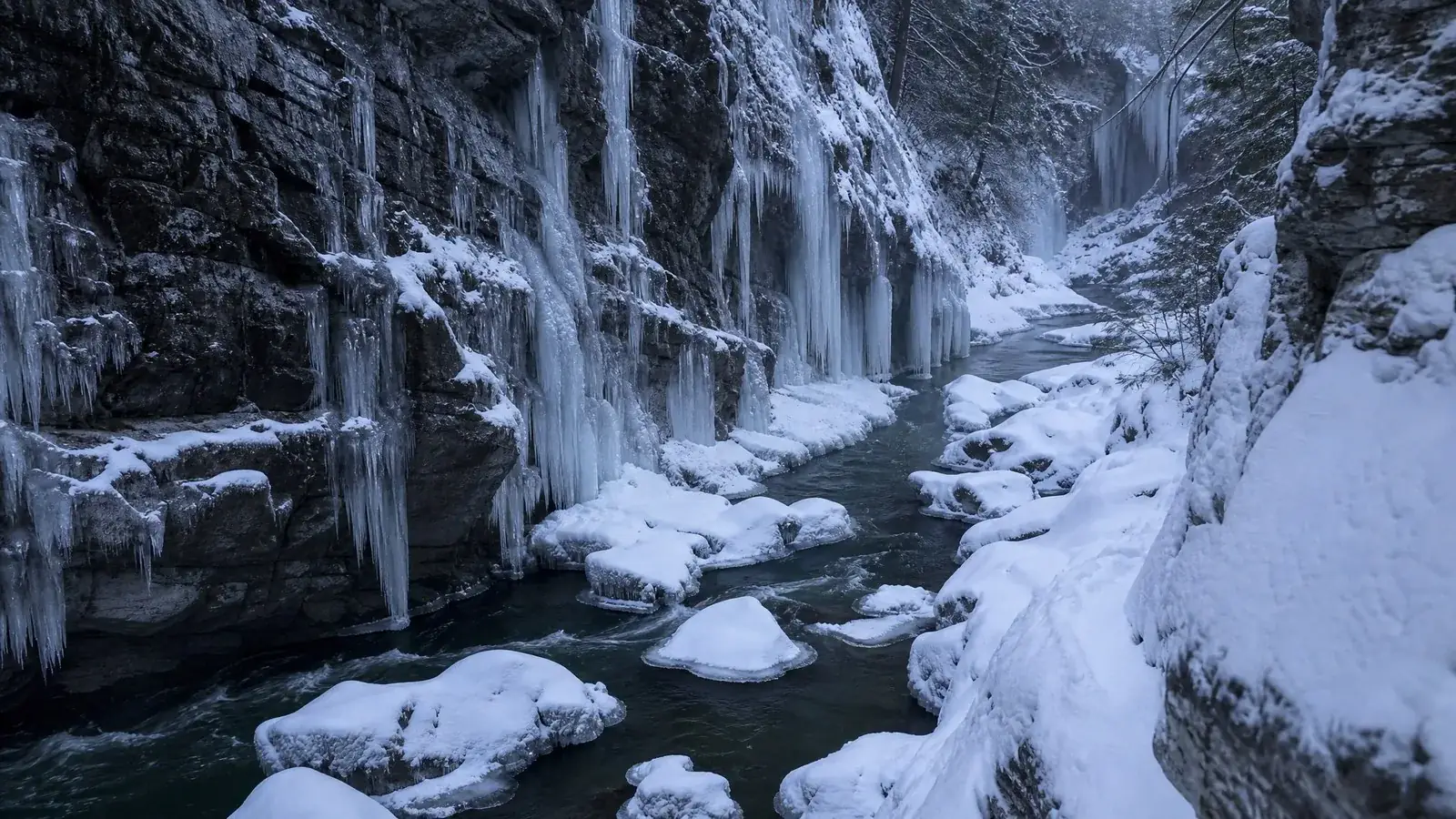
Three things, in this order. Whether the gorge is open at all: the operator warns that short-notice closures for safety are sometimes unavoidable, and after heavy rain or a fast thaw that warning is not decorative. Then the clock — 08:00 to 20:00 from June to September, 08:00 to 18:00 from October to May, with the last ticket sold 30 minutes before closing, which catches people out on short winter afternoons. Then the walk in: there is no road to the entrance, so it is 2.2 km and about 25 minutes on foot from the Olympic ski stadium car park, and the bus from the station is line 1 or 2 towards Skistadion. Do those three and the rest of the day looks after itself.
Frequently asked questions
Do I need to read this before I go?
No. You can pay about ten euros at the hut and walk through knowing nothing at all. It is here because the path is a piece of engineering that most people walk past without noticing — the tunnels and galleries were cut into the rock on purpose, and one 108-metre stretch exists only because the mountain came down in 1991. See how it was made walkable.
Is the gorge open all year?
It opens daily, 08:00–20:00 from June to September and 08:00–18:00 from October to May, with last entry half an hour before closing. The operator warns that short-notice closures for safety are sometimes unavoidable, so check on the day before travelling. More on opening hours and on the gorge in winter.
Does a tour save me the entrance fee?
Usually not. Of the tours on this site that visit the gorge, only the two multi-day Zugspitze hikes state that entry is included; several list it under what you pay yourself, and one says “if available”. What a day trip buys is the journey and a guide. The page that goes through it listing by listing is which tours include the entry fee.